Optimal Timing for Drain Field Repairs
Understanding the optimal timing for drain field repairs can help ensure proper functioning and longevity. The best time typically depends on seasonal conditions, soil moisture levels, and system usage patterns. Performing repairs during dry periods minimizes soil disturbance and allows for more effective work.
Spring is ideal for drain field repairs due to dry soil conditions after winter, making excavation easier and less disruptive.
Late summer or early fall offers favorable weather and soil conditions, reducing the risk of water table interference.
Winter is generally unsuitable because frozen ground and high moisture levels can complicate repairs and delay drying.
Repairs should be scheduled when soil is not saturated, ensuring proper inspection and minimal system impact.
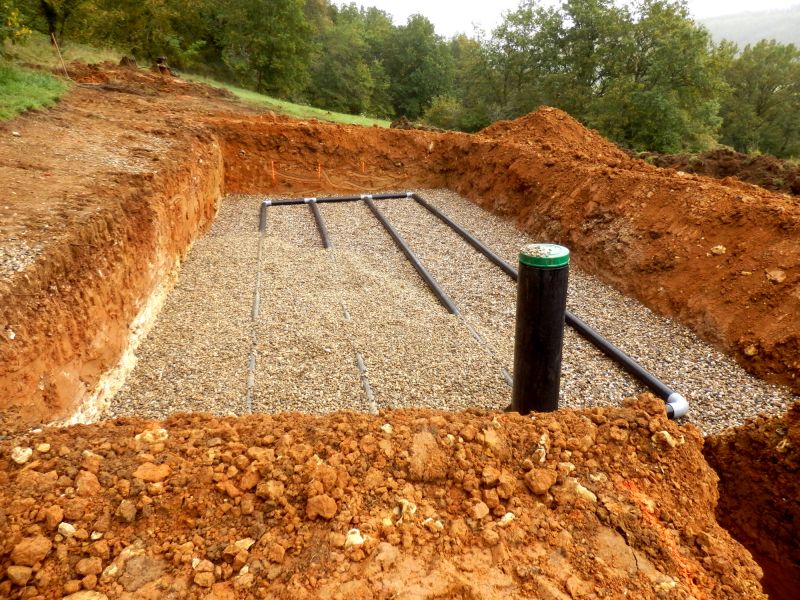
Technicians excavate and replace damaged components, ensuring proper drainage and system performance.
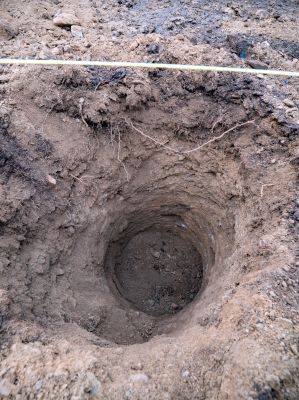
Soil testing helps determine the best timing for repairs by assessing moisture levels and soil health.
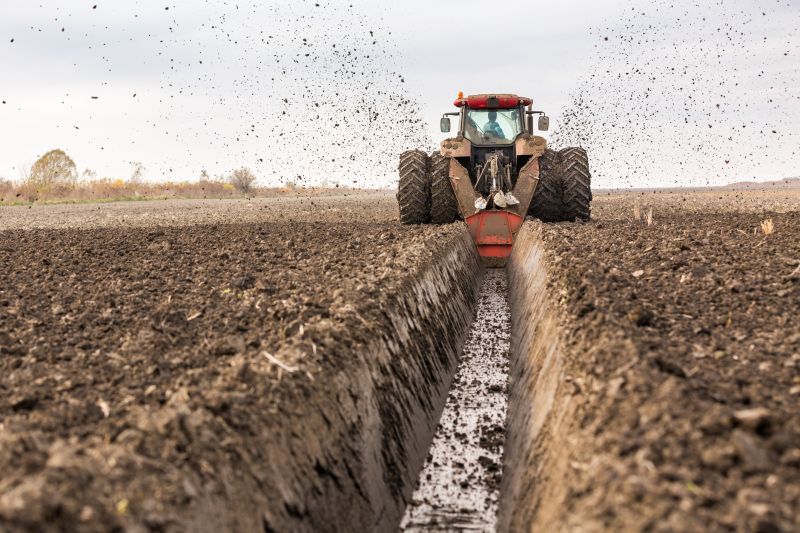
Specialized equipment allows for minimally invasive repairs, reducing disruption to the landscape.
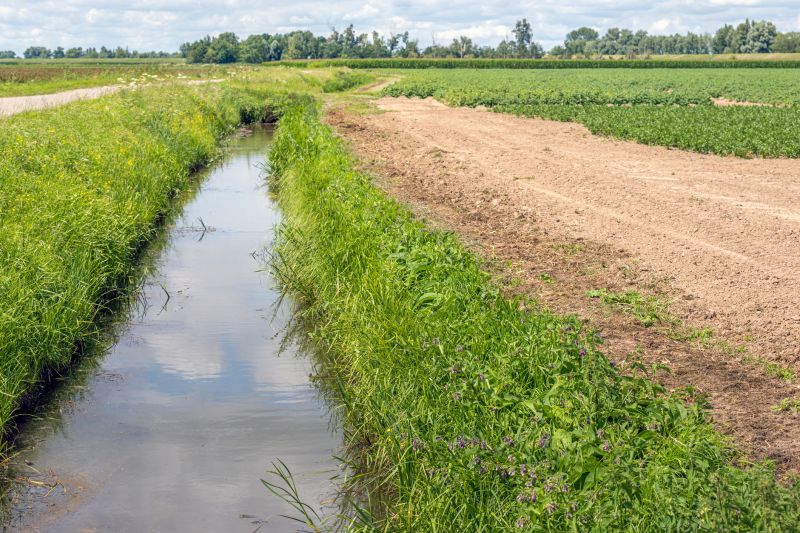
Ways to make Drain Field Repairs work in tight or awkward layouts.
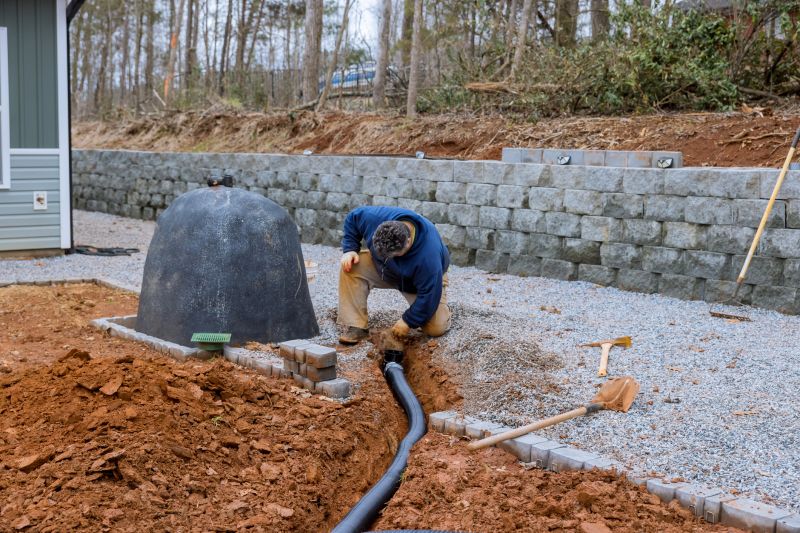
Popular materials for Drain Field Repairs and why they hold up over time.
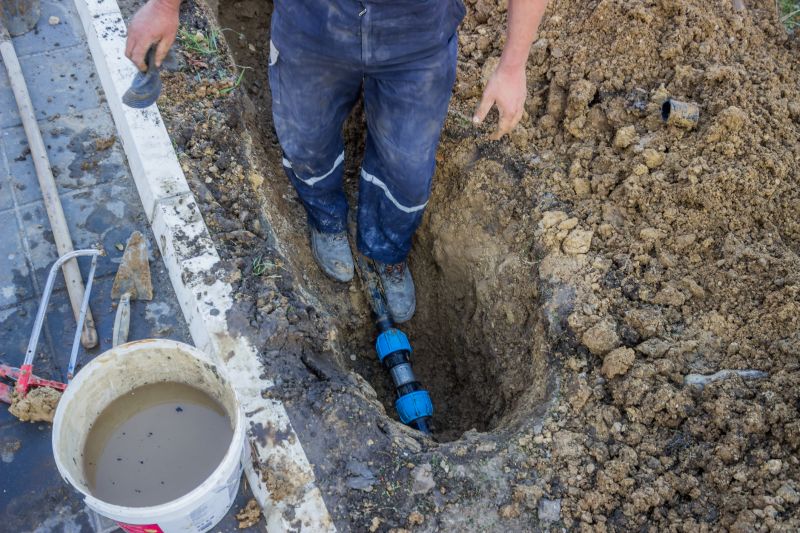
Simple add-ons that improve Drain Field Repairs without blowing the budget.
| Season | Optimal Repair Conditions |
|---|---|
| Spring | Dry soil, mild weather, low moisture levels |
| Summer | Warm, dry conditions, lower water usage |
| Fall | Moderate temperatures, soil drying |
| Winter | Frozen ground, high soil moisture, generally unsuitable |
Drain field repairs involve replacing or repairing components of the drain field system to restore proper wastewater treatment. These repairs are essential for preventing system failures, environmental contamination, and costly replacements. Proper timing ensures that repairs are effective and minimize disruption. Seasonal considerations, soil conditions, and system usage patterns play critical roles in scheduling repairs. Regular inspections can help identify issues early, making repairs more straightforward and less invasive.
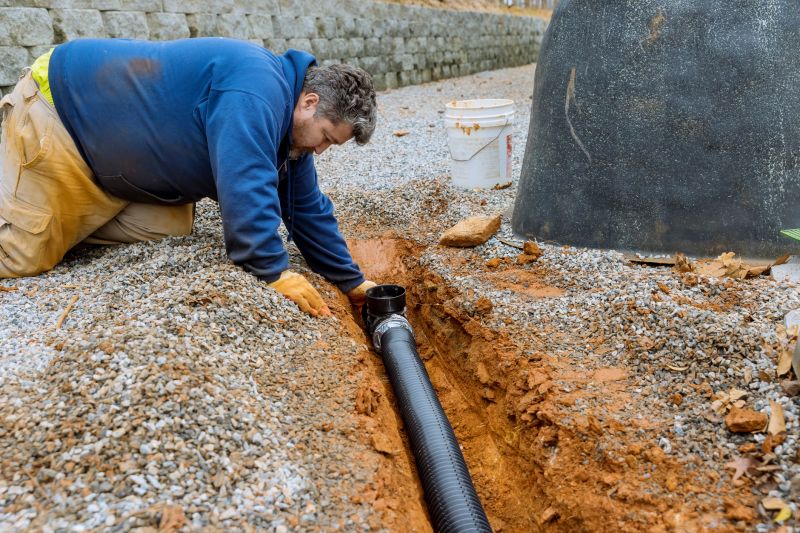
Excavation of a damaged drain field component.
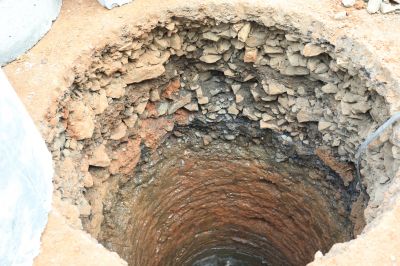
Assessing soil moisture and compaction for optimal repair timing.
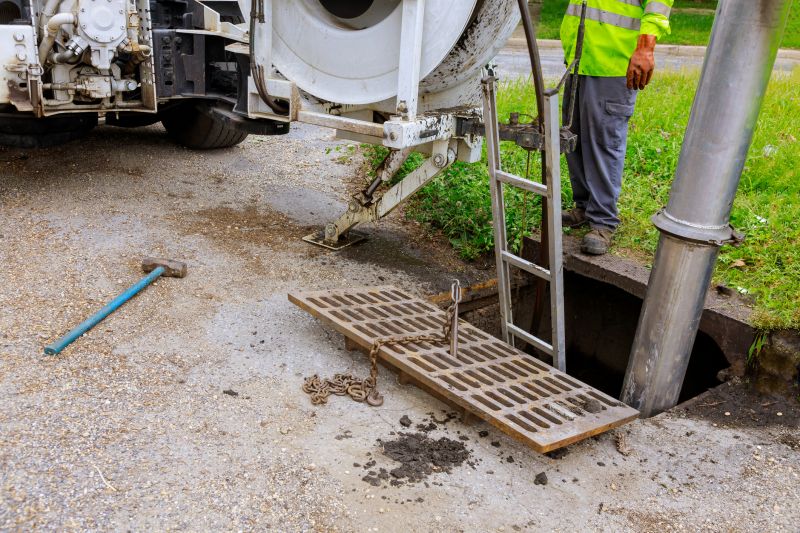
Specialized machinery used for efficient drain field repairs.
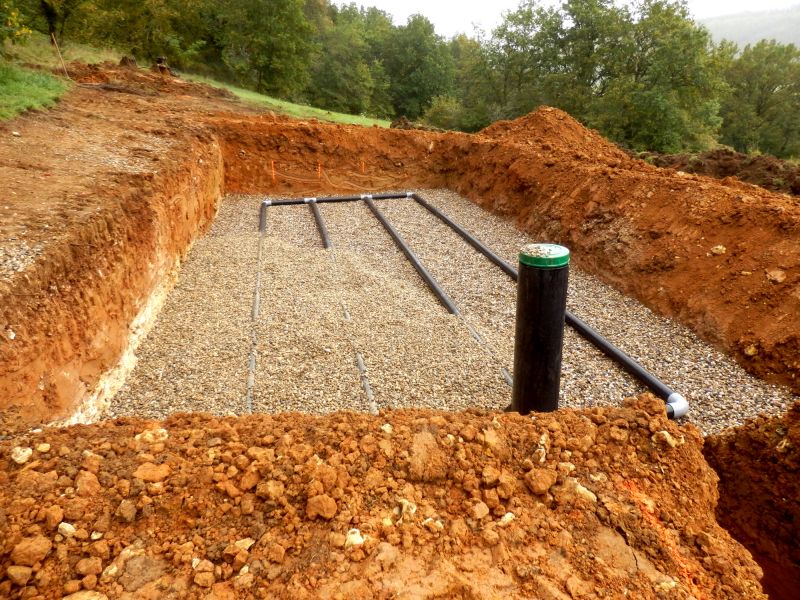
Repaired drain field ready for system testing and use.
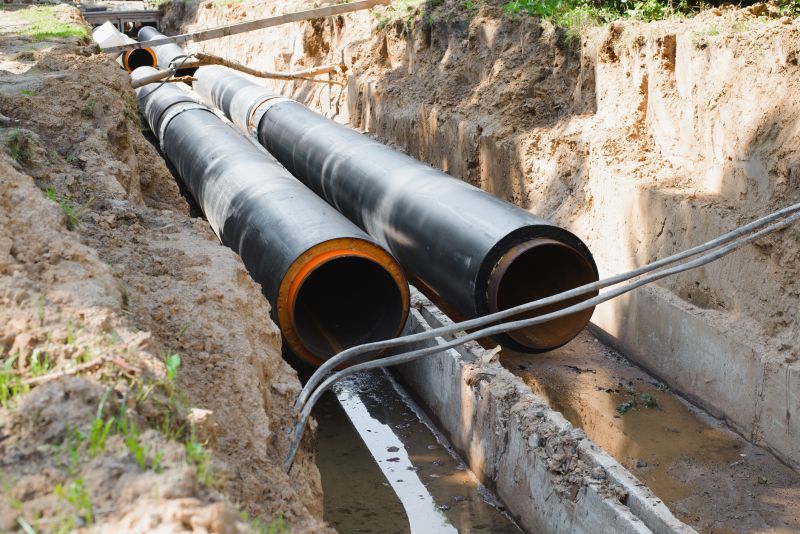
High-end options that actually feel worth it for Drain Field Repairs.
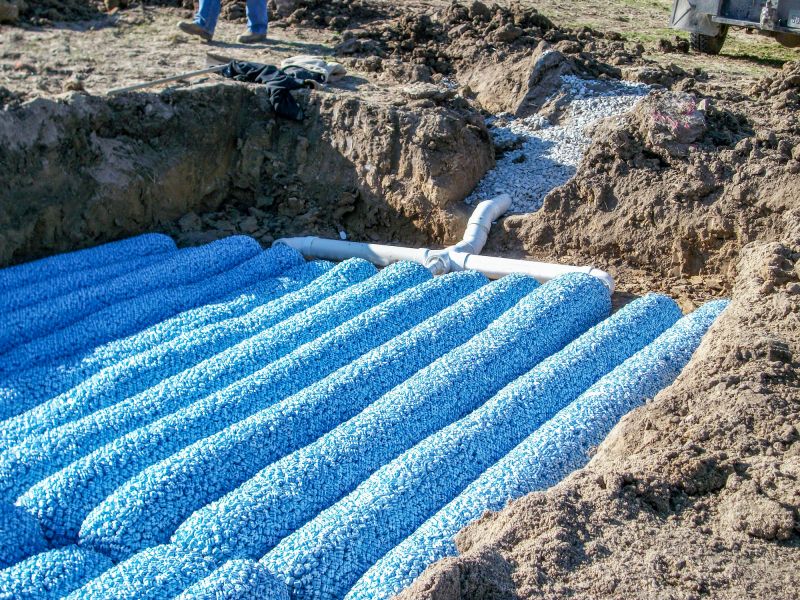
Finishes and colors that play nicely with Drain Field Repairs.
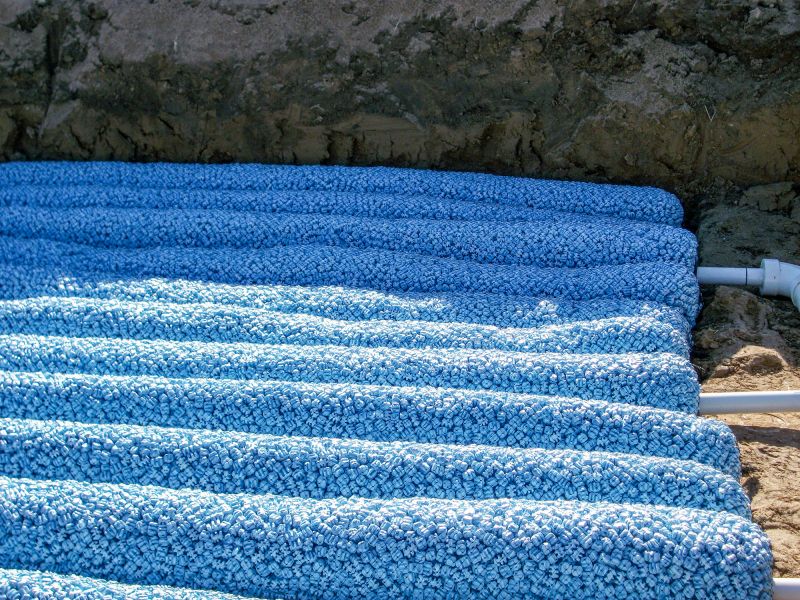
Little measurements that prevent headaches on Drain Field Repairs day.
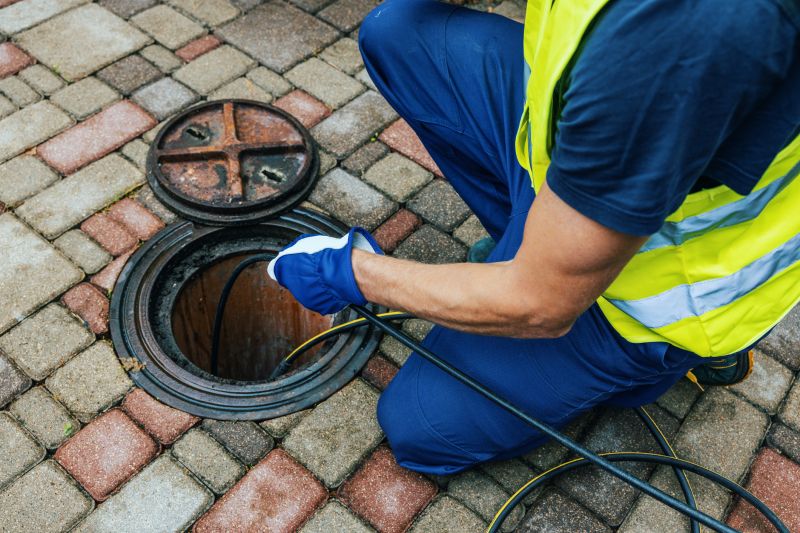
A 60-second routine that keeps Drain Field Repairs looking new.
Interested in scheduling drain field repairs? Filling out the contact form can provide the necessary information to plan repairs at the most suitable time for optimal system performance.